


Long Term Investment Plan: How to Build a $1 Million Portfolio
Building a $1 million investment portfolio is one of the most common wealth-building goals among long-term investors. However, the journey is often misunderstood. Many people believe reaching seven figures requires extraordinary income, advanced investing skills, or taking huge risks in the stock market. The reality is different.
For most investors, building significant wealth comes from following a disciplined long term investment plan, investing consistently, managing risk, and giving their money enough time to benefit from compound growth. A person investing in their 20s, 30s, or even 40s can potentially build substantial wealth by following a structured approach. The key is understanding how much you need to invest, where to invest, and how to stay consistent when markets become uncertain.
This guide explains how a realistic long term investment plan can help you build a $1 million portfolio, including investment strategies, timelines, examples, and mistakes to avoid.
Why Long Term Investment Planning Is the Key to Building Wealth
Many beginner investors approach the market looking for quick results. They search for the best stock to buy, the next market opportunity, or a strategy that can generate fast returns. However, successful investing is rarely about finding a perfect moment to enter the market. It is about creating a process that works over decades.
A strong long term investment plan focuses on three important ideas: consistency, diversification, and patience. Consistency means investing regularly regardless of short-term market conditions. Diversification means spreading investments across different assets rather than relying on a single company or sector. Patience means allowing your investments enough time to grow.
For example, the stock market can experience significant declines during economic crises. Investors who panic and sell during these periods often lock in losses. Meanwhile, investors with a long-term approach usually focus on their original goals and allow their portfolios time to recover. This is why long term investment planning is less about predicting tomorrow’s market movements and more about building financial habits that work for the next 20 or 30 years.
How Compound Growth Helps You Build a $1 Million Portfolio
The biggest advantage long-term investors have is compound growth. Compounding occurs when your investment returns generate additional returns over time. Instead of only earning growth on your original money, you start earning growth on previous gains as well.
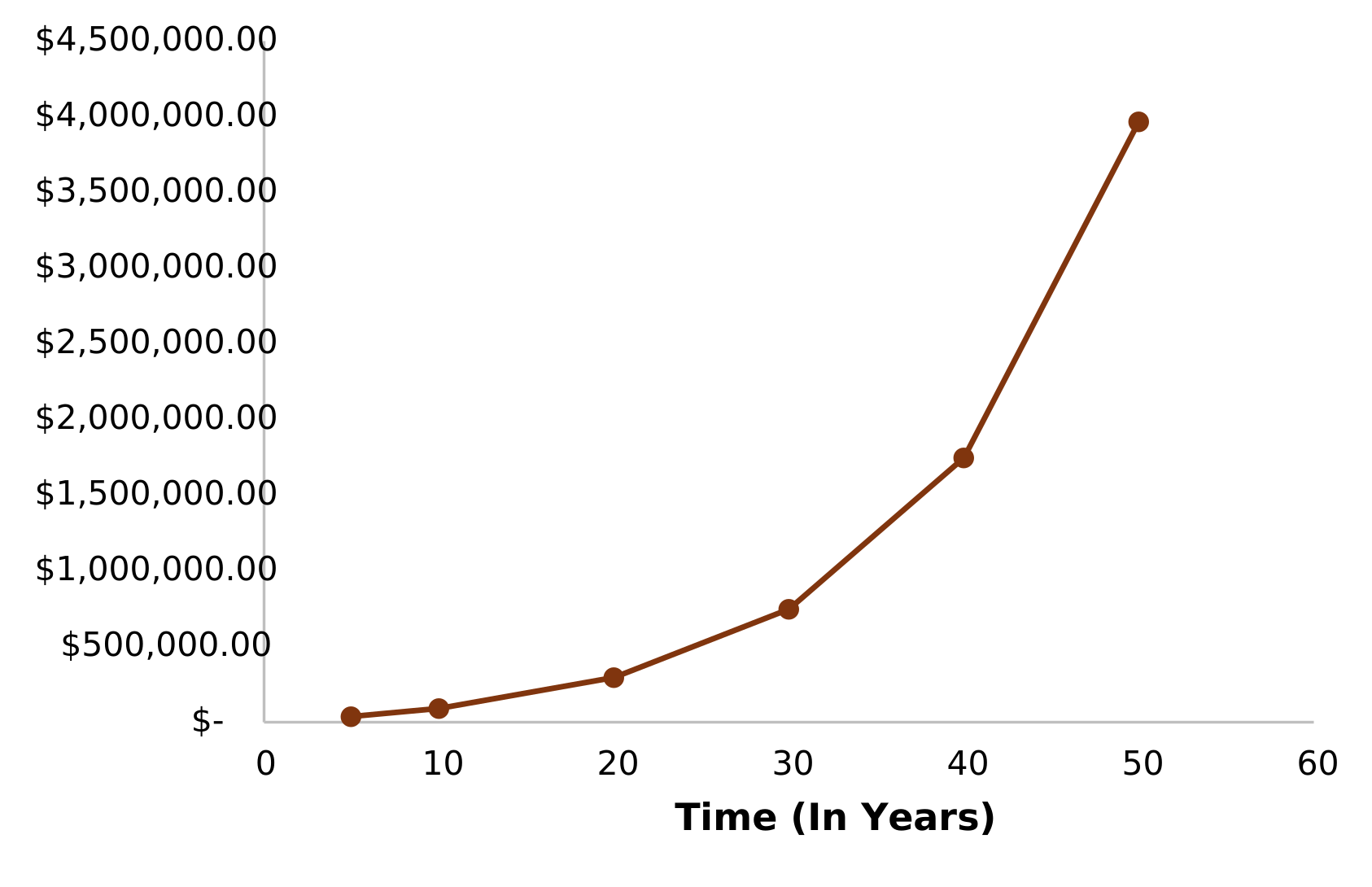
For example, assume an investor contributes $500 every month and earns an average annual return of 8%. The early years may not look impressive because the portfolio is mainly growing from personal contributions. However, after decades, investment growth becomes a much larger contributor to the total portfolio value.
This is why starting early matters so much. A person who begins investing at age 25 may require much smaller monthly contributions compared with someone starting at age 45 because the earlier investor has more time for compounding to work.
How Long Does It Take to Build a $1 Million Portfolio?
The timeline to reach $1 million depends on several factors:
- How much you invest each month
- Your investment return
- Your starting age
- How consistently you continue investing
There is no single formula that works for everyone. A realistic long term investment plan should be based on your personal financial situation rather than unrealistic promises of becoming wealthy quickly.
| Monthly Investment | Approximate Time to Reach $1 Million* |
| $250/month | Longer timeline (multiple decades) |
| $500/month | Around 30+ years depending on returns |
| $1,000/month | Faster wealth accumulation |
| $2,000/month | Significantly shorter timeline |
*Assuming long-term market returns and consistent investing. Actual results vary.
The table shows an important principle: there are two ways to reach the same financial goal – invest more money or give your investments more time. For younger investors, time is often their greatest advantage.
How Much Should You Invest Monthly to Become a Millionaire?
One of the most searched questions related to investing is: “How much do I need to invest every month to reach $1 million?”
The answer depends mainly on when you start. Someone starting at age 22 may build a million-dollar portfolio with a relatively manageable monthly contribution because they have decades ahead of them. Someone starting at age 45 may need a much higher contribution because they have less time for their investments to compound. This difference highlights why a long term investment plan should begin as early as possible.
For example, A young professional earning a stable income might start with a smaller monthly investment and increase contributions as their salary grows. This approach is common among successful investors because it creates a sustainable habit rather than putting financial pressure on their current lifestyle.
The goal is not to invest the maximum amount today. The goal is to create a system you can maintain for many years.
Choosing the Right Long Term Investment Strategy
A common mistake among beginners is believing that successful investing requires constantly buying and selling investments. In reality, many long-term investors use simple strategies designed around owning diversified assets and staying invested. For many investors in the US and UK, this often includes:
1. Index Fund Investing
Index funds are popular because they allow investors to own a broad group of companies through one investment. Instead of depending on the performance of one business, investors gain exposure to an entire market. This makes index investing attractive for people who want a simple approach to long-term wealth creation.
2. ETF Investing
Exchange-traded funds (ETFs) have become another popular option for long-term investors because they provide diversification, flexibility, and often lower costs compared with actively managed funds.
Investors may choose ETFs based on:
- Broad stock markets
- Global companies
- Dividend-paying companies
- Bonds
The best option depends on individual goals, risk tolerance, and investment timeline.
How Dollar Cost Averaging Supports Long Term Investment Planning
One of the biggest challenges investors face is deciding when to invest. Many people delay investing because they are waiting for the “perfect time” to enter the market. Others invest a large amount at once and become worried when markets decline shortly afterward. This is where dollar cost averaging becomes useful.
Dollar cost averaging is a strategy where investors invest a fixed amount of money at regular intervals, regardless of whether markets are rising or falling. Instead of trying to predict short-term market movements, investors focus on building their portfolio consistently over time.
For example, an investor following a long term investment plan may invest $500 every month into a diversified ETF. During periods when markets are high, that $500 buys fewer shares. During market downturns, the same $500 buys more shares. Over many years, this approach can help investors avoid emotional decisions and maintain discipline.
The purpose is to visually explain that market volatility can actually benefit consistent investors. However, it is important to understand that dollar cost averaging does not guarantee higher returns than investing a lump sum immediately. If markets consistently rise, investing earlier may produce better results. The main advantage of dollar cost averaging is behavioral – it helps investors stay committed and reduces the temptation to wait for the “perfect moment.” For beginners creating a long term investment plan, consistency is often more valuable than trying to predict short-term market movements.
Building a Sample $1 Million Long Term Investment Portfolio
A million-dollar portfolio does not necessarily require complicated investments. Many successful long-term investors focus on creating a balanced portfolio that matches their goals, timeline, and risk tolerance. The right portfolio depends on factors such as age, income, financial responsibilities, and retirement plans.
A younger investor with 30 or more years before retirement may accept more short-term volatility because they have time to recover from market declines. Someone approaching retirement may prefer a more balanced approach with greater stability.
| Investor Type | Stocks | Bonds | Other Assets |
| Growth Investor | 80–90% | 10–20% | Limited |
| Balanced Investor | 60–70% | 30–40% | Some alternatives |
| Conservative Investor | 40–50% | 50–60% | More stable assets |
These examples are not personal investment recommendations but demonstrate how investors may structure portfolios based on risk levels. A common long-term approach among investors is using diversified stock market exposure through index funds or ETFs while gradually adjusting risk as financial goals become closer.
Long Term Investment Planning in the USA
For investors in the United States, choosing the right account can significantly affect long-term wealth creation. Many investors use tax-advantaged accounts because they allow investments to grow more efficiently over time. A workplace retirement plan such as a 401(k) is commonly used by employees who want to invest through payroll contributions. Many employers also provide matching contributions, which can accelerate retirement savings.
Individual Retirement Accounts (IRAs) are another popular option. A Traditional IRA may provide tax advantages today, while a Roth IRA allows qualified withdrawals in retirement without taxes on investment growth. For investors focused on building a million-dollar portfolio, the account type is only one part of the strategy. The bigger factors are:
- Starting early
- Investing consistently
- Choosing appropriate investments
- Avoiding unnecessary fees
A strong long term investment plan combines the right account structure with disciplined investing habits.
Long Term Investment Planning in the UK
UK investors have different investment vehicles but follow similar wealth-building principles. A Stocks and Shares ISA is one of the most popular options for long-term investors because it allows individuals to invest in assets while benefiting from tax advantages within the account limits.
Workplace pensions and Self-Invested Personal Pensions (SIPPs) are also commonly used for retirement planning. Many UK investors build long-term portfolios using diversified funds that provide exposure to global companies rather than relying only on UK markets. The important lesson for UK investors is that successful investing is not about finding one perfect investment. It is about creating a repeatable strategy that aligns with long-term financial goals.
Long Term Investment Plan by Age
A good long term investment plan should evolve as your life changes. The strategy of a 25-year-old investor should not look identical to someone preparing for retirement.
Investing in Your 20s
Investors in their 20s have one major advantage: time. At this stage, many investors can tolerate more market fluctuations because they have decades before they need to access their money.
The focus should usually be on building strong investing habits, increasing income, and consistently contributing to investments. A common mistake among younger investors is waiting until they earn more money before starting. In reality, developing the habit early is often more important than the initial investment amount.
Investing in Your 30s
Many investors in their 30s experience higher income but also increased responsibilities such as mortgages, family expenses, or other financial commitments. This stage often requires balancing wealth building with other financial goals. Increasing monthly investment contributions as income grows can significantly improve the chances of reaching long-term goals.
Investing in Your 40s and Beyond
Investors starting later may need a more aggressive savings approach because they have fewer years for compounding. This does not mean building wealth is impossible. It means the strategy may require:
- Higher contributions
- Careful planning
- Better control of expenses
- Clear retirement goals
The key principle remains the same: creating a realistic investment plan and following it consistently.
Common Mistakes That Prevent Investors From Building Wealth
Even a strong investment strategy can fail if investors make poor decisions. One of the most common mistakes is constantly changing strategies. Investors often move from one trend to another, chasing the best-performing investment of the moment.
Another mistake is selling during market declines. Temporary market drops are normal, but emotional decisions can turn temporary losses into permanent ones. High investment fees can also reduce long-term returns. Even small differences in fees can create a significant impact over decades because investors lose not only money but also future compounded growth. A successful long term investment plan requires discipline more than prediction.
Frequently Asked Questions (FAQs)
Can I build a $1 million portfolio by investing $500 per month?
It is possible over a long enough period depending on investment returns, but the timeline depends on market performance and consistency.
What is the best long term investment strategy for beginners?
Many beginners start with diversified investments such as low-cost index funds or ETFs because they provide broad market exposure.
Is investing for 20 years enough?
Twenty years can provide meaningful growth potential, but the result depends on contribution amount, investment returns, and consistency.
Should I invest during a market crash?
Long-term investors often continue investing during market declines because lower prices can create opportunities. However, every investor should consider their own financial situation and risk tolerance.
Final Thoughts
Building a $1 million portfolio is not about finding a secret investment strategy or making one perfect decision. It is about following a realistic system. A successful long term investment plan combines regular investing, diversification, patience, and continuous improvement. The earlier you start, the more powerful compounding becomes, but even investors starting later can make progress with the right approach. The most important step is not waiting for the perfect time. It is creating a plan, starting where you are, and allowing time to work in your favor.